How Do You Care for Skin After Laser Tattoo Removal?
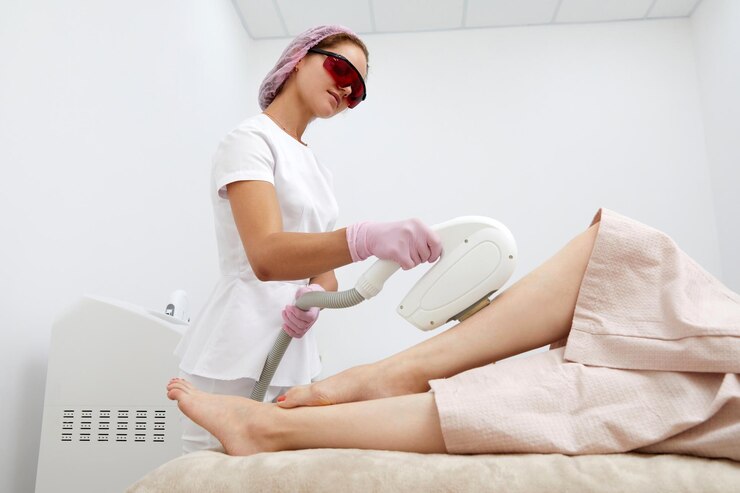
Achieving clear, tattoo-free skin is a common goal for many individuals seeking to remove unwanted ink. With advancements in laser technology, Laser Tattoo Removal in Abu Dhabi has become a popular and effective choice for those looking to erase their tattoos safely and efficiently. However, proper post-treatment skin care is essential to ensure optimal healing, prevent complications, and achieve the best possible results. In this comprehensive guide, we will explore the essential steps and tips for caring for your skin after laser tattoo removal, helping you maintain healthy skin and enhance your recovery process.
Understanding the Importance of Post-Treatment Skin Care
The Role of Skin Care in Recovery
Post-treatment skin care is a critical phase in the tattoo removal journey. The laser works by breaking down the ink particles, which the body's immune system then gradually eliminates. During this process, the skin undergoes trauma, making it vulnerable to infection, irritation, and scarring if not properly cared for. Proper skin care facilitates healing, minimizes discomfort, and ensures that the skin recovers smoothly and effectively.
How Laser Treatment Affects Skin
Laser tattoo removal creates controlled damage to the skin to target ink particles. This results in temporary redness, swelling, and sometimes blistering or scabbing. These signs indicate the body's natural healing response. Proper aftercare helps manage these symptoms and promotes rapid healing, reducing the risk of adverse effects such as pigmentation changes or scarring.

Immediate Post-Treatment Care Tips
Keep the Treated Area Clean and Dry
Right after laser treatment, it is vital to keep the area clean to prevent infection. Gently cleanse the skin with mild, fragrance-free soap and lukewarm water. Pat dry with a soft towel, avoiding any vigorous rubbing. Maintaining cleanliness helps reduce microbial buildup and supports the body's natural healing process.
Apply Prescribed Ointments or Cold Compresses
Your practitioner may recommend specific ointments or topical creams to soothe the skin and promote healing. Applying cold compresses can also help reduce swelling and discomfort. Use a clean cloth or ice wrapped in a soft cloth to gently cool the area, but avoid direct contact with ice to prevent frostbite.
Protect the Skin from Sun Exposure
Sun exposure can worsen pigmentation changes and irritate healing skin. It is essential to shield the treated area from direct sunlight by covering it with clothing or applying a broad-spectrum sunscreen with a high SPF once the skin has healed sufficiently. Avoiding sun exposure minimizes the risk of hyperpigmentation and helps maintain the skin's natural tone.
Long-Term Skin Care Strategies for Optimal Healing
Avoid Picking or Scratching the Area
During healing, the skin may form scabs or blisters. It is crucial not to pick, scratch, or peel these as it can lead to scarring or infection. Allow the skin to heal naturally, and if scabbing occurs, keep it moisturized to promote gentle shedding.
Use Gentle, Hydrating Moisturizers
Keeping the skin well-hydrated accelerates healing and reduces itchiness and dryness. Use gentle, fragrance-free moisturizers recommended by your skincare provider. Ingredients like aloe vera or hyaluronic acid can soothe the skin and support tissue regeneration.
Follow a Consistent Sun Protection Routine
Sun protection remains vital even after the initial healing phase. Continue to apply broad-spectrum sunscreen daily when exposed to sunlight to prevent pigmentation issues and protect the skin's integrity. Wearing protective clothing and avoiding peak sun hours further minimizes risk.
Additional Tips for Skin Recovery
Avoid Harsh Skin Products
Refrain from using strong exfoliants, retinoids, or products containing alcohol or fragrances until your skin has fully healed. Harsh chemicals can irritate sensitive, healing skin, delaying recovery and causing adverse reactions.
Stay Hydrated and Maintain a Healthy Diet
Proper hydration and a balanced diet rich in vitamins and minerals support skin repair. Drinking plenty of water helps flush out toxins, while nutrients like Vitamin C and zinc promote collagen synthesis and tissue healing.
Avoid Hot Baths, Saunas, and Swimming Pools
Exposure to excessive heat, chlorinated water, or bacteria in pools can irritate healing skin and increase infection risk. It's advisable to avoid such environments until your skin has fully recovered.
Monitoring Your Skin and When to Seek Medical Advice
Recognize Signs of Proper Healing
Healthy healing typically involves gradual reduction of redness, swelling, and scabbing. The skin should gradually return to a normal appearance, with no persistent pain, swelling, or unusual discoloration.
When to Consult a Specialist
If you notice signs such as persistent pain, excessive swelling, increasing redness, pus, or any signs of infection, seek professional advice promptly. Proper follow-up ensures any complications are addressed early, supporting optimal recovery.
Tips for Maintaining Skin Health Post-Treatment
Keep Skin Moisturized and Nourished
Consistent hydration and the use of nourishing skincare products help maintain skin elasticity and resilience. Incorporate gentle, dermatologist-recommended products into your routine to support ongoing skin health.
Avoid Smoking and Excessive Alcohol Consumption
Both smoking and excessive alcohol intake can impair skin healing by reducing blood flow and oxygen delivery to tissues. Limiting or avoiding these can significantly enhance recovery outcomes.
Schedule Follow-Up Treatments as Recommended
Tattoo removal typically requires multiple sessions. Adhere to your practitioner’s schedule and guidelines for aftercare to achieve the best results. Regular follow-ups also allow for monitoring and guidance tailored to your skin's healing process.
Final Thoughts
Proper skin care following Laser Tattoo Removal Abu Dhabi is essential to ensure a smooth, effective healing process and optimal results. By maintaining cleanliness, protecting the skin from sun exposure, moisturizing adequately, and avoiding irritants, you can support your skin's natural recovery mechanisms. Patience and adherence to aftercare guidelines will help you achieve clearer, healthier skin, free from unwanted tattoos.

Comments
Post a Comment