Does Acne Treatment Affect Skin Sensitivity?
Acne is one of the most common skin concerns faced by individuals of all ages, often impacting self-esteem and confidence. With a wide array of Acne Treatment in Abu Dhabi available today, many people seek effective solutions to clear their skin and restore a healthy complexion. As you explore your options, a common question arises: Does acne treatment affect skin sensitivity? Understanding this aspect is crucial for making informed decisions and ensuring your skin remains healthy throughout the treatment process.
Understanding Acne and Its Impact on the Skin
What Is Acne and Why Does It Occur?
Acne is a skin condition characterized by the presence of pimples, blackheads, whiteheads, and cysts. It develops when hair follicles become clogged with excess oil, dead skin cells, and bacteria. Factors such as hormonal fluctuations, genetics, stress, and certain skincare products can contribute to its development. Recognizing the root causes helps in choosing the most suitable acne treatment.
How Acne Affects the Skin's Natural Barrier
Prolonged or severe acne can compromise the skin's natural barrier, leading to increased sensitivity and vulnerability. The skin may become inflamed, red, and tender, which can exacerbate discomfort and make it more reactive to external stimuli. Effective acne treatment aims to reduce inflammation while supporting the skin's resilience.

Types of Acne Treatments Available
Topical Treatments
Topical medications, including retinoids, antibiotics, and benzoyl peroxide, are commonly prescribed to manage mild to moderate acne. They work by unclogging pores, reducing bacteria, and decreasing inflammation. However, some topical agents may cause dryness or irritation, especially in sensitive skin.
Oral Medications
For more severe cases, oral antibiotics or hormonal therapies may be recommended. These treatments help control bacteria and hormonal influences but can also affect skin sensitivity temporarily during the course of therapy.
Advanced Procedures
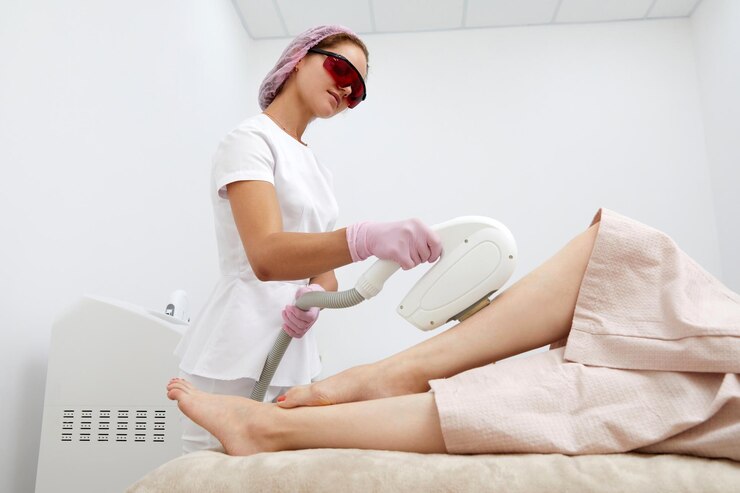
Procedures such as chemical peels, laser therapy, and light-based treatments are available to target stubborn acne scars and active lesions. These treatments can be highly effective but may influence skin sensitivity depending on their intensity and the individual's skin response.
How Acne Treatments Influence Skin Sensitivity
Temporary Increase in Sensitivity
Many acne treatments, especially topical and procedural options, can temporarily increase skin sensitivity. This is often due to the exfoliating or inflammatory nature of certain therapies, which can strip the skin of its natural oils and weaken its barrier function. During this period, the skin may become more prone to irritation from environmental factors like sun exposure or harsh skincare products.
Long-term Effects on Skin Sensitivity
While some treatments may cause short-term sensitivity, many modern therapies are designed to strengthen the skin over time. For example, treatments that stimulate collagen production can enhance skin resilience. Proper post-treatment skincare is essential to minimize sensitivity and maintain skin health.
Factors That Influence Sensitivity Response
Individual skin type, the severity of acne, and the specific treatment chosen all play roles in determining how sensitive the skin becomes during and after treatment. People with naturally sensitive or dry skin may experience more pronounced reactions, emphasizing the importance of personalized treatment plans.
Managing Skin Sensitivity During Acne Treatment
Pre-Treatment Skin Preparation
Preparing the skin with gentle cleansing and moisturizing routines before starting treatment can help minimize irritation. Avoiding harsh scrubs or abrasive products is recommended to maintain the skin’s barrier integrity.
Choosing the Right Treatment
Consulting with skincare professionals to select appropriate treatments based on skin type and sensitivity levels can reduce adverse reactions. Customizing therapy ensures efficacy while protecting the skin’s health.
Post-Treatment Skincare Tips
Post-treatment care is vital for managing sensitivity. Using soothing, hydrating products, applying broad-spectrum sunscreens, and avoiding irritating ingredients like alcohol or fragrances help in soothing the skin and preventing flare-ups.
Innovations in Acne Treatment and Skin Sensitivity
Gentle and Non-Irritating Options
Advancements in skincare have led to the development of gentler formulations and non-invasive procedures that prioritize skin health. These options are suitable for sensitive skin and aim to reduce the risk of increased sensitivity.
Personalized Treatment Approaches
Personalized skincare regimens, tailored to individual skin profiles, can optimize outcomes while minimizing sensitivity. Modern diagnostic tools help identify skin needs more accurately.
Role of Supportive Skincare
Incorporating supportive skincare products such as barrier repair creams, antioxidants, and calming serums can enhance treatment results and reduce sensitivity, ensuring a smoother recovery process.
Final Thoughts
Achieving clear skin is a common goal, but it’s equally important to consider how treatments affect skin sensitivity. With the right approach, Acne Treatment Abu Dhabi can be effective without compromising skin health. Consulting qualified skincare professionals, selecting suitable therapies, and adhering to recommended skincare routines are key to minimizing sensitivity and maintaining a healthy, radiant complexion.

Comments
Post a Comment