Does Acne Treatment Help with Acne Scars?
Acne is a common skin condition that affects individuals of all ages, often leaving behind not just blemishes but also persistent scars that can impact confidence and self-esteem. Many people wonder whether acne treatments are effective in addressing these scars, especially after successfully clearing active breakouts. The answer to this question varies depending on the type and severity of scars, as well as the treatment approach. In this comprehensive guide, we will explore how Acne Treatment in Abu Dhabi can influence acne scars, the different methods available, and what realistic expectations you should have.
Understanding Acne and Acne Scars
What Is Acne and How Does It Lead to Scarring?
Acne develops when hair follicles become clogged with oil, bacteria, and dead skin cells. This process results in various types of lesions, including whiteheads, blackheads, papules, pustules, cysts, and nodules. Severe or prolonged acne often causes inflammation, which can damage the skin's underlying tissue. This damage sometimes leads to scars, which are essentially the skin’s way of healing and repairing itself after injury.
Types of Acne Scars
Acne scars manifest in different forms, primarily including atrophic scars, hypertrophic scars, and post-inflammatory hyperpigmentation.
- Atrophic scars are depressions or indentations in the skin, commonly seen as boxcar, icepick, or rolling scars.
- Hypertrophic scars are raised bumps caused by excess collagen during healing.
- Post-inflammatory hyperpigmentation presents as dark spots rather than true scars but can be mistaken for scars.
Understanding these differences is crucial because the treatment approach varies based on scar type.

How Does Acne Treatment Impact Acne Scars?
The Primary Goal of Acne Treatment
The main aim of acne treatment is to control active breakouts, reduce inflammation, and prevent further skin damage. While clearing acne is essential, many treatment plans also focus on improving skin texture and minimizing the appearance of scars. Effective management of active acne can prevent new scars from forming, which is an essential step in overall skin health.
Can Acne Treatment Help Reduce Existing Scars?
In many cases, standard acne treatments alone do not significantly diminish existing scars. However, by reducing active breakouts and inflammation, they can prevent further scarring and allow the skin’s natural healing processes to improve skin appearance over time.
Role of Specific Treatments in Scar Reduction
Some acne treatments are specifically designed or combined with procedures to target scars directly. For example, topical medications, chemical peels, micro-needling, laser therapy, and other dermatological procedures can stimulate collagen production, improve skin texture, and promote the fading of scars. When combined with proper acne management, these therapies can lead to noticeable improvements in the skin's surface.
Common Acne Treatments and Their Effectiveness on Scars
Topical Treatments
Topical medications, such as retinoids, antibiotics, and exfoliating agents, are effective in controlling active acne. While they primarily prevent new scars from forming, they can also improve skin surface texture to some extent. Retinoids, in particular, are known to promote cell turnover and collagen synthesis, which can help in reducing the appearance of certain scars over time.
Chemical Peels
Chemical peels involve applying acids to the skin to remove damaged outer layers. They are effective in reducing mild scars and hyperpigmentation, improving overall skin tone, and stimulating collagen growth. Regular sessions can progressively enhance skin texture and diminish the visibility of scars.
Micro-Needling
Micro-needling involves creating controlled micro-injuries to stimulate collagen production. This procedure is highly effective for atrophic scars, including boxcar and rolling scars. Over multiple sessions, micro-needling can significantly improve skin smoothness and texture.
Laser Therapy
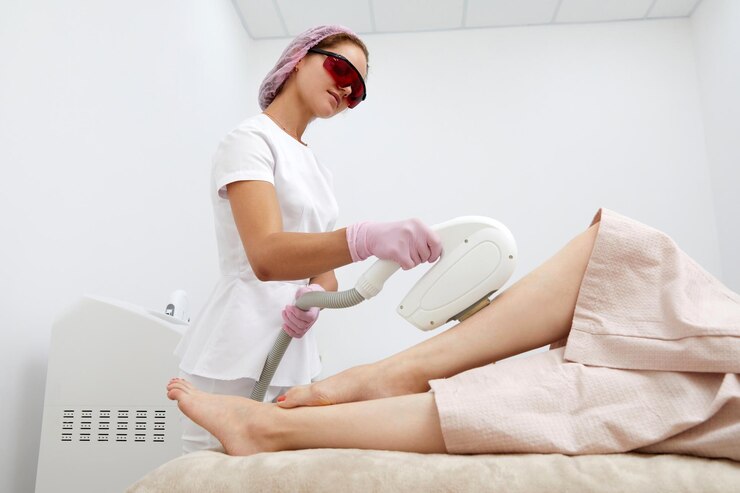
Laser treatments target the deeper layers of the skin to promote collagen remodeling. Certain laser types are particularly effective for atrophic scars and skin textural irregularities. These procedures can bring about substantial improvements in the appearance of scars when performed appropriately.
Other Modalities
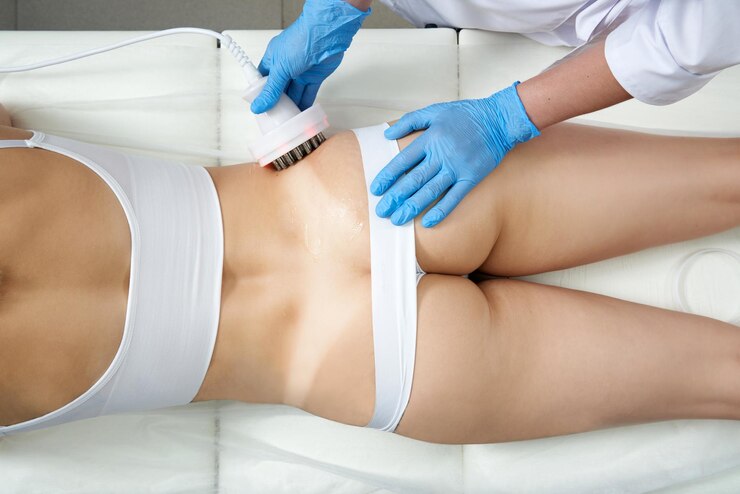
Other options like dermal fillers, subcision, and radiofrequency treatments can also be employed to address specific scar types. The choice depends on individual skin characteristics and scar severity.
Factors Influencing the Success of Acne Scar Reduction
Timing and Consistency
The effectiveness of acne treatments in reducing scars hinges on timely intervention and consistent adherence to prescribed regimens. Early treatment of active acne minimizes the risk of scarring, and ongoing maintenance helps prevent new scars.
Scar Type and Severity
The type, size, and depth of scars influence treatment outcomes. While superficial scars respond well to non-invasive procedures, more severe scars might require a combination of therapies for optimal results.
Skin Type and Response
Individual skin response varies, and a personalized treatment plan is essential. Dermatologists often tailor interventions based on skin sensitivity, pigmentation, and other factors to maximize benefits and minimize side effects.
Long-Term Management and Expectations
Realistic Outcomes
While many treatments can significantly improve the skin’s appearance, complete scar removal may not always be achievable. The goal is often to diminish the visibility of scars and enhance skin texture rather than total eradication.
Maintenance and Follow-Up
Post-treatment care, including sun protection and proper skincare, plays a vital role in maintaining improvements. Multiple sessions and ongoing skincare routines are typically necessary for sustained results.
Combining Treatments for Better Results
A combination of therapies often yields the best outcomes. For example, pairing micro-needling with chemical peels or laser therapy can target different scar types effectively.
Conclusion
Acne Treatment Abu Dhabi and other regions can significantly influence the appearance of acne scars, especially when tailored to individual needs. While active acne management prevents further scarring, specific procedures aimed at scar tissue can lead to noticeable improvements. Patience, consistency, and professional guidance are key to achieving the best possible results. If scars are a concern, consulting a skincare professional can help develop an effective plan tailored to your skin’s unique needs.

Comments
Post a Comment